My Story & My Why...

People regularly ask me how I got into herbalism, I think most of us have a turning point, a place in which our family, friends, or ourselves are fed up with not getting the care or answers that we need, or the system just isn't set up for us in some way.

We know through SO much research [1, 2, 3, 4] and sadly, personal experience, that health outcomes for women, minorities, and people with unknown or misunderstood health issues or problems are often gaslight, called crazy, mis-diagnosed, or diagnosed with catch all conditions like "fibromyalgia" with little to no hope for remission. This was and has been disproportionately women due to the lack of research on women and the impact of more hormonally complex systems on ALL interventions and illnesses. I mention this becausee its it a key ingredient of the soup of my life.

As a child I was undiagnosed ADHD, had a hefty dose of sensory sensitivity, complex trauma, and an undiagnosed gluten and dairy sensitivity but things got very interesting at around 17 years old with a chronic case of tarsal tunnel that ended in exploratory surgery in which my feet were wrapped too tight in post-op care and I ended up with significant nerve and vascular trauma in both legs - it was about as fun as it sounds. I spent a couple of months in a wheelchair and a few more pushing through intense pain while walking - which lead to a chronic pain syndrome and a later diagnosis of chronic venus insufficiency. 

In college I was still struggling- waking up with deep pain in my hips with weather changes- that was okay with me at 70 or 80 years old but didn’t bode well for me at 18. I doctor shopped trying to find someone to take me seriously and treat my chronic constipation, my joint pain, my pain syndrome, my brain fog, my anxiety, and my severe menstrual cramps and inflammatory response with my period. 

After getting nowhere for nearly a year with gynecologists, primary care folks, psychiatrists, and orthopedists and even a arthritis specialist, I was on a run one day and Blue Vervain stared me down, and I thought “people used to be able to take care of themselves, treat what was wrong with them with things growing around them” and that was the moment - I had no idea where to start , but I knew that was the next step- reclaiming my health autonomy - taking MYSELF seriously and addressing my health issues and challenges as best I could. 

I knew my family has whispers of herbalism in it’s past - we ALL have whispers of herbalism in our past - I even had a family story about a great Aunt who credited a root she dug on Red Mountain in Birmingham, Alabama for the 14 healthy children that she birthed. I am pretty sure that it was “Beth Root” or Birth Root or Trillium. My father was a forester my mother was a florist but making medicine from plants was foreign to them...but even though it was forgotten to my family I have always had an abiding love for the wild places of the South and our vast botanical complexity since my father dug and handed me a sassafras root at 8 years old.

After little success with western medicine I started looking for ways to learn herbalism and on my 19th birthday I went on my first instructional plant walk and I knew this was a piece of the puzzle. I began to take on the responsibility of healing myself and dove headlong into the study of herbalism. 

Fast forward year or so and I remember making one of the first formulations I ever tried on friends or family and it worked, I was 20 years old. It was a VERY strong and acutely effective Cold and Flu remedy that I passed around to my friends- it made everyone a little woozy - sorry Cortney! (too much poke root). I remember the feeling of agency control that I had and excitement that I had the ability to help with something that was causing my friends to much discomfort. I now could make medicine from plants growing around me but also knew that I had a long way to go before I should be going around dosing my friends all willy-nilly.

Even with my newfound moderation, I made plenty of mistakes. I wasted time and money on herbs that weren't in the right form - like when I ordered 7 lbs of powdered herbs that sat unprocessed for 3 years. But, so often in life, the complexity that we crave and that piques our curiosity can simultaneously make us feel confused and overwhelmed and can leave us feeling lost as to what to bite off and chew first. As a beginner, I took the wrong dose of herbal preparations, or for the wrong period of time. I followed disjointed and pieced-together information that just wasted my time and made me anxious and unsure. I felt overwhelmed by conflicting information online and spent a few years spinning my wheels.

Five years later after finishing a biology degree, two herb internships, and graduating from two different herb schools I started my clinical practice and a few years after that my school.

And that long history is why I teach herbal medicine the way that I do - I don't want you proverbially wandering around in the vast landscape of herbal medicine with no instructions. I want to give you the confidence, base knowledge, and competence that you can use to get your bearings quickly so that you can be a 'simple human' once again without all the stress or trappings, I want to provide the guidance and structured way of learning, what I wish I'd had, to help you avoid those same frustrations, and to give you a clear path to becoming confident in creating effective medicines for yourself and your friends, family, and community.

What started out for me as a reclamation of power and personal health autonomy and also just a desire to not feel like crap all the time grew into a passion, then a practice, and eventually became a way of life and my full time career.

I am so glad to have you here with me at Deep Roots and inside of Roots & Reason.

[1] E. LaMandre, “Medical gaslighting,” The Nurse practitioner, vol. 50, no. 3, pp. 6–6, Feb. 2025, doi: 10.1097/01.npr.0000000000000292.

[2] H. Major, “Women’s Experiences With Medical Professionals and the Impact on Mental Health”, [Online]. Available: https://search.proquest.com/openview/dca23992ba1caf266fe14b93fcaad760/1?pq-origsite=gscholar&cbl=18750&diss=y

[3] J. K. Dhillon, “Psychological Effect of Medical Gaslighting on Female Patients: A Systematic Review,” pp. 845–852, June 2025, doi: 10.38124/ijisrt/25jun646.

[4] A. Jannesari, “BIPOC Identity, Delayed Diagnosis, Pain, and Medical Gaslighting as Predictors of Post-traumatic Stress Symptomatology in Adults With Endometriosis”, [Online]. Available: https://search.proquest.com/openview/22343987d47a4e8fc247bd05269fab16/1?pq-origsite=gscholar&cbl=18750&diss=y

Finding My Path: Where Science Meets the Wild

Hey there, I'm Cameron. I'm a Registered Herbalist (AHG) and the founder of Deep Roots School of Foraging & Herbal Medicine, and I've spent years building a space where traditional plant wisdom and scientific research can coexist without compromising either.

If you're wondering why you should care what I have to say… I hold a B.S. and credentials as RH (AHG), FH, and Aromatherapist. But more importantly, I've spent years in the field—literally and figuratively—learning plants in their native habitats, doing clinical work, living through my own health issues that could not be helped by standard models of care or interventions, studying historical texts, verifying traditional uses against modern research, and teaching hundreds of students how to safely and effectively use herbal medicine as a viable primary care method.

That all sounds neat and tidy when I type it out but in reality it’s been a long haul - I’ll tell you more about the whole long story in my next post…so fast forward 15 or so years….

I started Deep Roots Herb School because I was frustrated with two extremes in the herbal world: on one side, people making dangerous claims without any grounding in safety, science, or clinical experience; on the other, dismissing centuries of traditional knowledge because it hadn't been studied in a clinical trial. I believe there's a meandering path in the middle—one that honors ancestral wisdom while being honest about what we know, what we don't know, and when people need to seek higher care.

Here on Mvskokē Territory in Birmingham, Alabama, I teach people how to identify wild plants, create their own medicine, and manage life's bumps and bruises with free yard-weed medicine. I run the Southeastern Foraging Conference, develop comprehensive herbal courses, and create educational content for a community of over 500,000 people who want to take their health into their own hands—safely and intelligently.

My work isn't just about kitchen herbalism (though I love that too). It's about regularly diving deep, researching historical monographs, cross-referencing traditional uses with phytochemical studies, understanding therapeutic actions and proper dosing, and always—always—being clear about contraindication and developing clinical wisdom and pattern recognition so that we can be better healers.

When I'm not nerding out over Angelica monographs or teaching medicine-making techniques, I'm in the garden and kitchen with my kid Wren, reading, working out, or trying to maintain some semblance of work-life balance with my partner. I'm also on the Board of Directors for the American Herbalists Guild, which keeps me connected to the larger conversation about herbal education standards and professionalism in our field.

My vision for Deep Roots—and for the herbal education movement as a whole—is to make this knowledge truly accessible and leaning into the nuance that is herbal medicine, the human body, and healing. Not dumbed down, but broken down. Not gatekept, but taught with enough rigor that people can trust what they're learning. I want to empower folks to confidently manage everyday illnesses, know when to escalate to medical care, and understand the "why" behind the remedies they're making.

I'm building comprehensive educational resources that cover everything from botanical identification and therapeutic actions to medicine-making techniques and business systems for aspiring herbalists. I believe that when people understand how plants work in their bodies—not just "take this for that"—they become better stewards of their own health.

This platform exists because I believe herbal medicine belongs to everyone. These plants grow all around us for a reason, and my job is to help you learn their language.

Thanks for being here. If there's something you want to learn about—whether it's a specific plant, a health concern, or a deep dive into herbal energetics—let me know. Research and boots on the ground experience is what lights me up, and I'm  honored to explore it with you.
Welcome to the birth of Roots & Reason!

Herbally Yours, 

Cameron

Simple Bitter Herbs

We can use our sense of taste and smell to ascertain the chemical profile of medical plants with surprising accuracy. This evolved ability has served to protect us by helping us to know what is food, what is medicine, and what is potentially toxic.

We can hone this sense and utilize it to determine the chemical makeup of plants and their general uses.

SIMPLE BITTERS are just that. They don't have aromatic properties or alkaloids like some other bitter herbs.

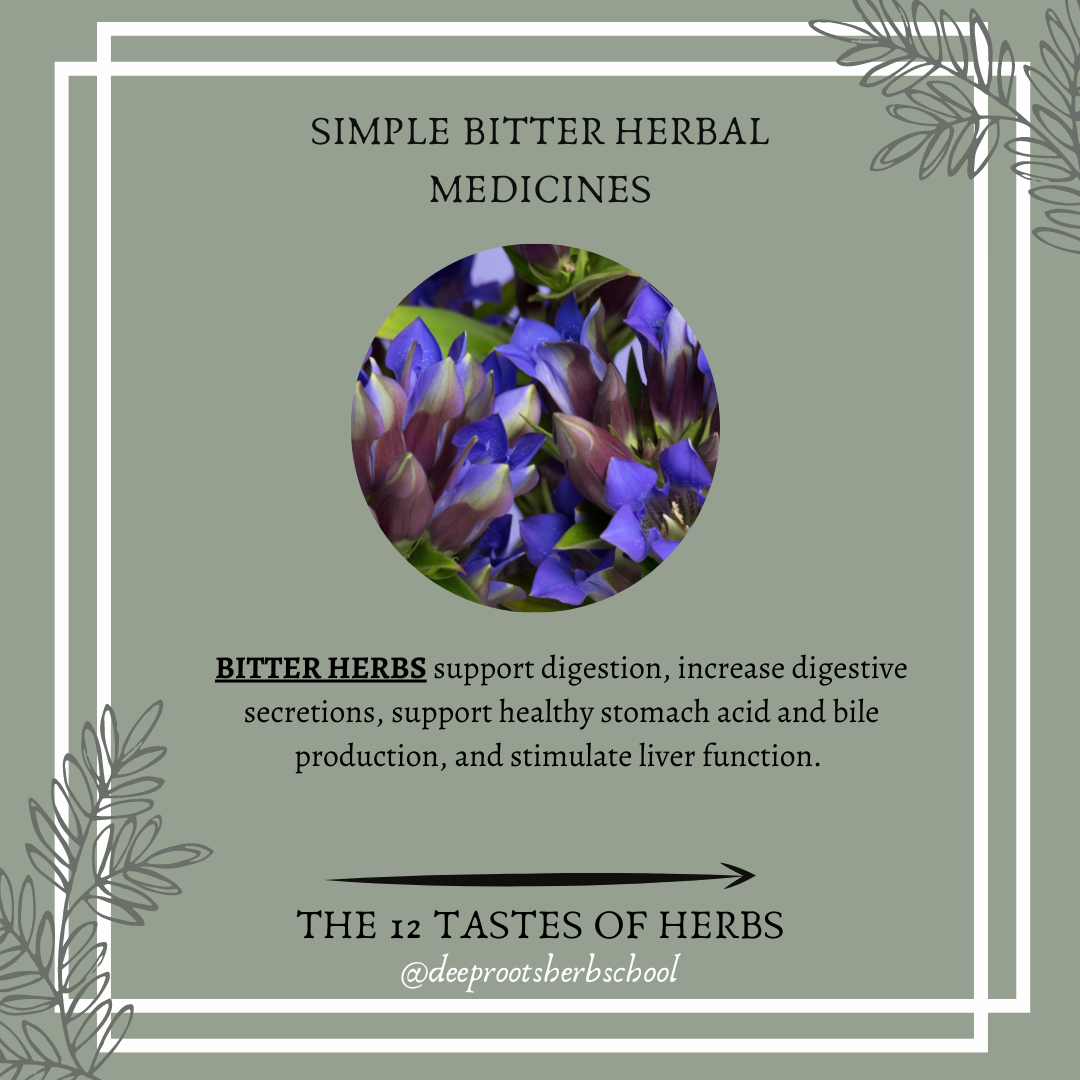
BITTER HERBS support digestion, increase digestive secretions, support healthy stomach acid and bile production, and stimulate liver function.

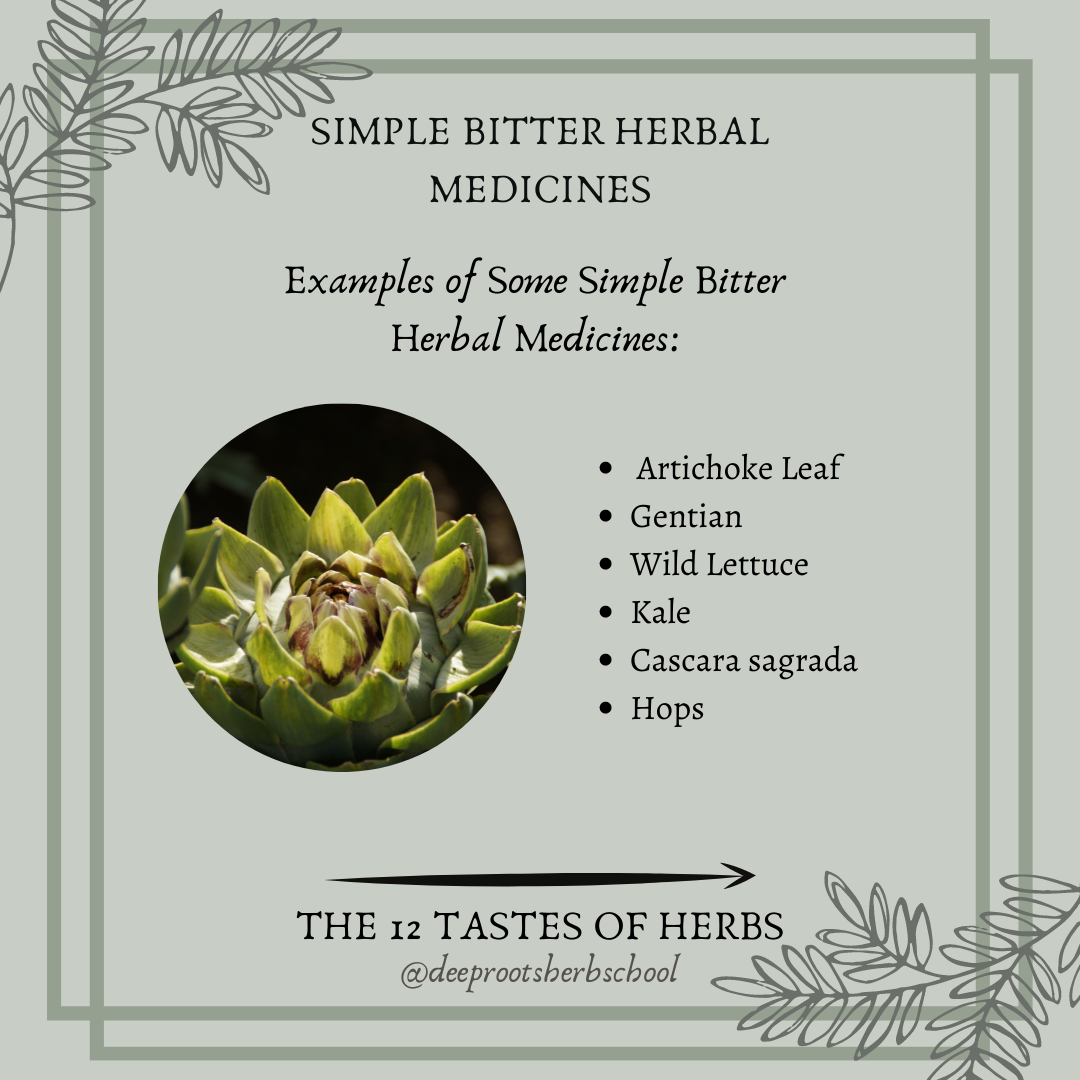
Some Examples of Simple Bitter Herbs:

  • Artichoke Leaf

  • Gentian

  • Wild Lettuce

  • Kale

  • Cascara sagrada

  • Hops

Common Properties of Simple Bitter Herbs:

  • shunts blood flow to the digestive organs

  • supports liver detoxification processes

  • stimulates stomach acid production

  • supports healthy bile and enzyme production

  • supports healthy appetite and reduces sugar cravings

  • some are stimulant laxatives

Do you have a favorite bitter herb?

If you are wanting to take a deeper dive into herbalism be sure to check out my Herbal Medicine Monthly Subscription Program where I teach you in-depth about one plant per month.

What are my favorite anti-inflammatory herbs...

What are my favorite anti-inflammatory herbs...

I get this question quite often in classes; stick with me for a story...

Our bodies inflammatory pathways are a complex cascade of factors. Which always makes things harder to pin down. There are more than 88 different  targets in the inflammatory response pathway some of which you might be familiar with in the natural health world either through bio-hacking or whatever internet health rabbit hole you have slid into recently. Some examples are: TNF (tumor necrosis factor),  nuclear factor kappa-light-chain-enhancer of activated B cells (NF-κB), nitric oxide (NO), I could go on.

Because of the complexity of this pathway we have to recognize that each condition we run up against is going to have a different route through the maze and we are going to need to put pressure on specific triggers, markers, and targets throughout that maze.

To phrase this in another way: different herbs are going to work more readily/effectively on different inflammatory pathways.

This has been and will continue to be clarified more deeply though scientific research on inflammatory cascades and herbs but as of right now we continue to have traditional uses to tide us over until we have good research on the many “ anti-inflammatory” herbal medicine interventions available to us.

So, I return to the primary question: what are my favorite anti-inflammatory herbs...

Mayyyybe a more effective question would be:

How can we interface herbs and our deeper understanding of physiology, healing, and the beneficial and sometimes detrimental impacts of our oft glitchy inflammatory processes?

AND

Which conditions respond most effectively to which herbs due to their impacts or inhibition of different mechanisms or triggers, in the complex inflammatory pathway in our bodies?

AND

When do we want to suppress inflammation and when is inflammation actually a healthy and important part of healing due to it’s role in tissue repair, immune system activation, and angioneogenisis?

If you want to spend some seriously nerdy time with me you can always join in on the Herbal Medicine Monthly Subscription.

Sour Herbs

We are co-evolved with the foods and medicines we ingest and our sensory system has been honed for 100's of thousands of years beyond our homosapien ancestors. We can tap into this superpower and be able to recognize complex biochemistry with just our sense of taste and smell.

For example plants that taste sour contain citric acid, malic acid, ascorbic acid, and flavonoids.

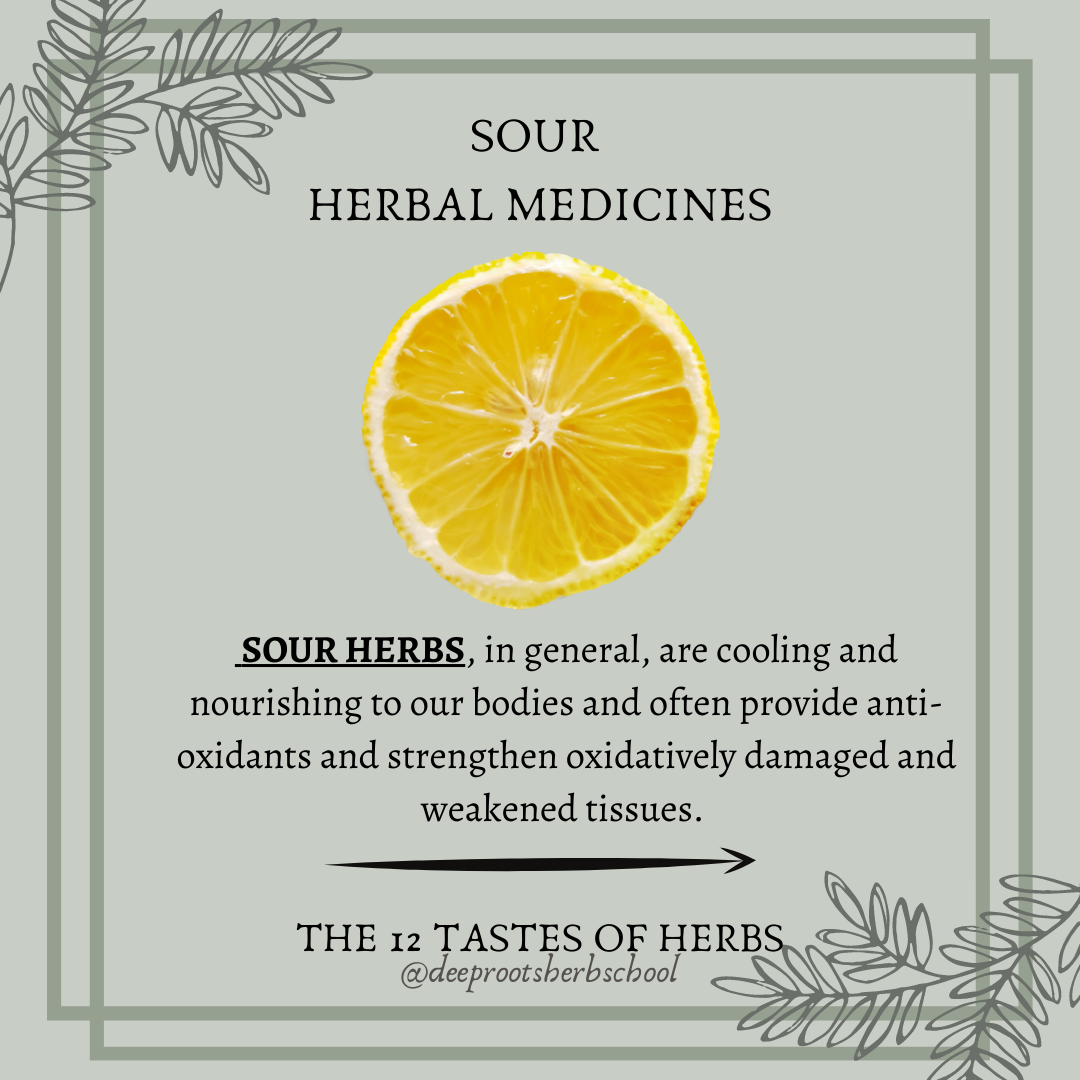
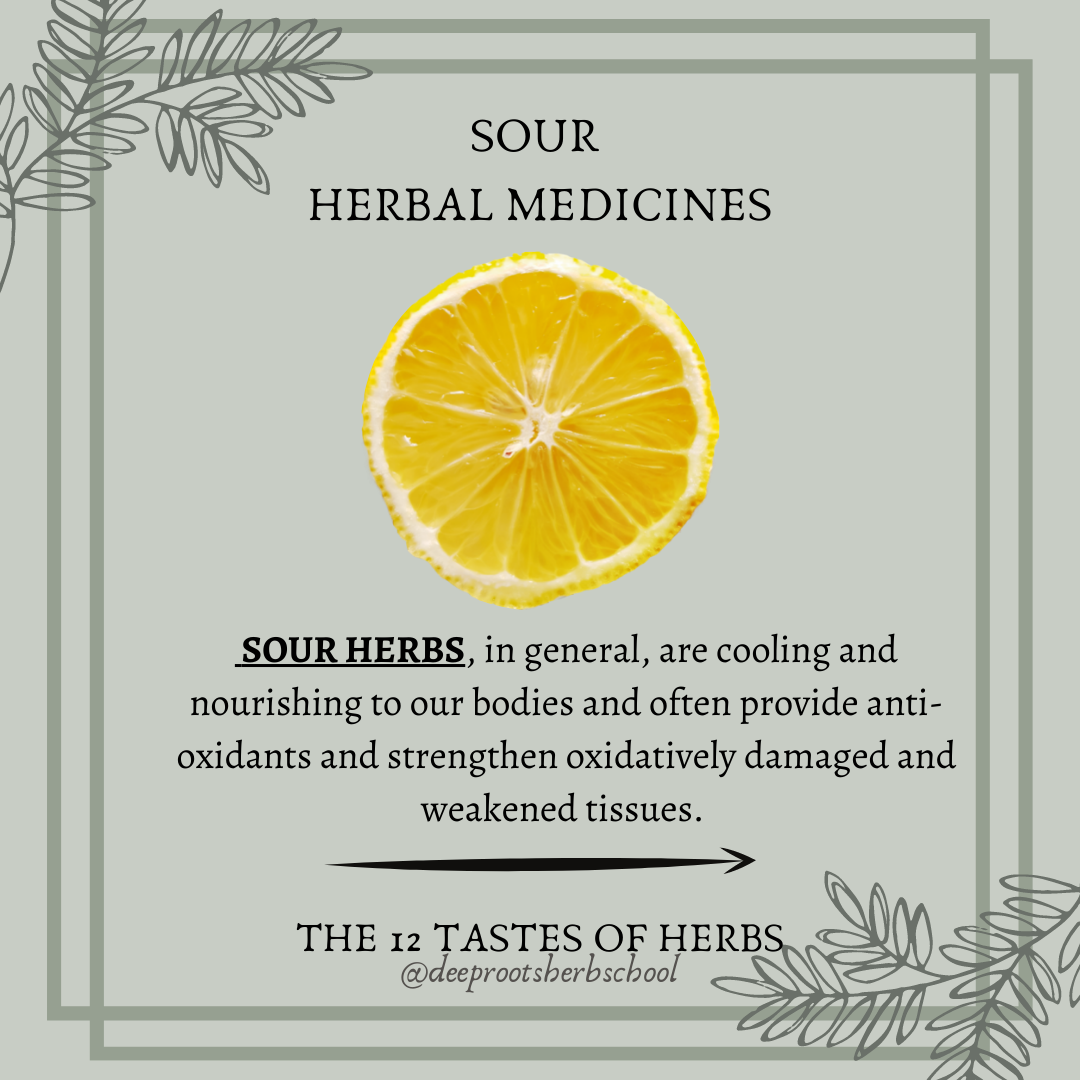
These herbs, in general, are cooling and nourishing to our bodies and often provide anti-oxidants and strengthen oxidative damaged and weakened tissues.

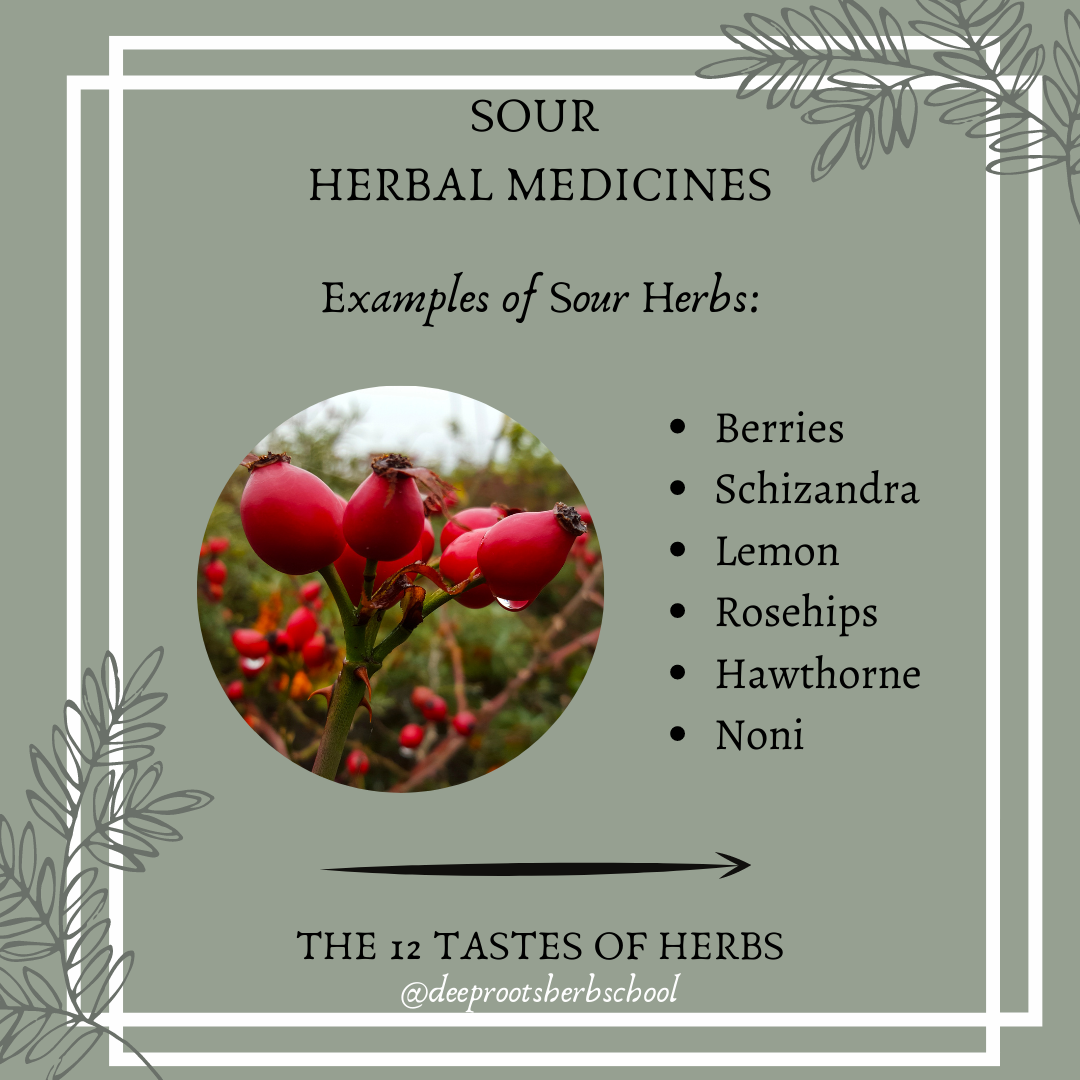
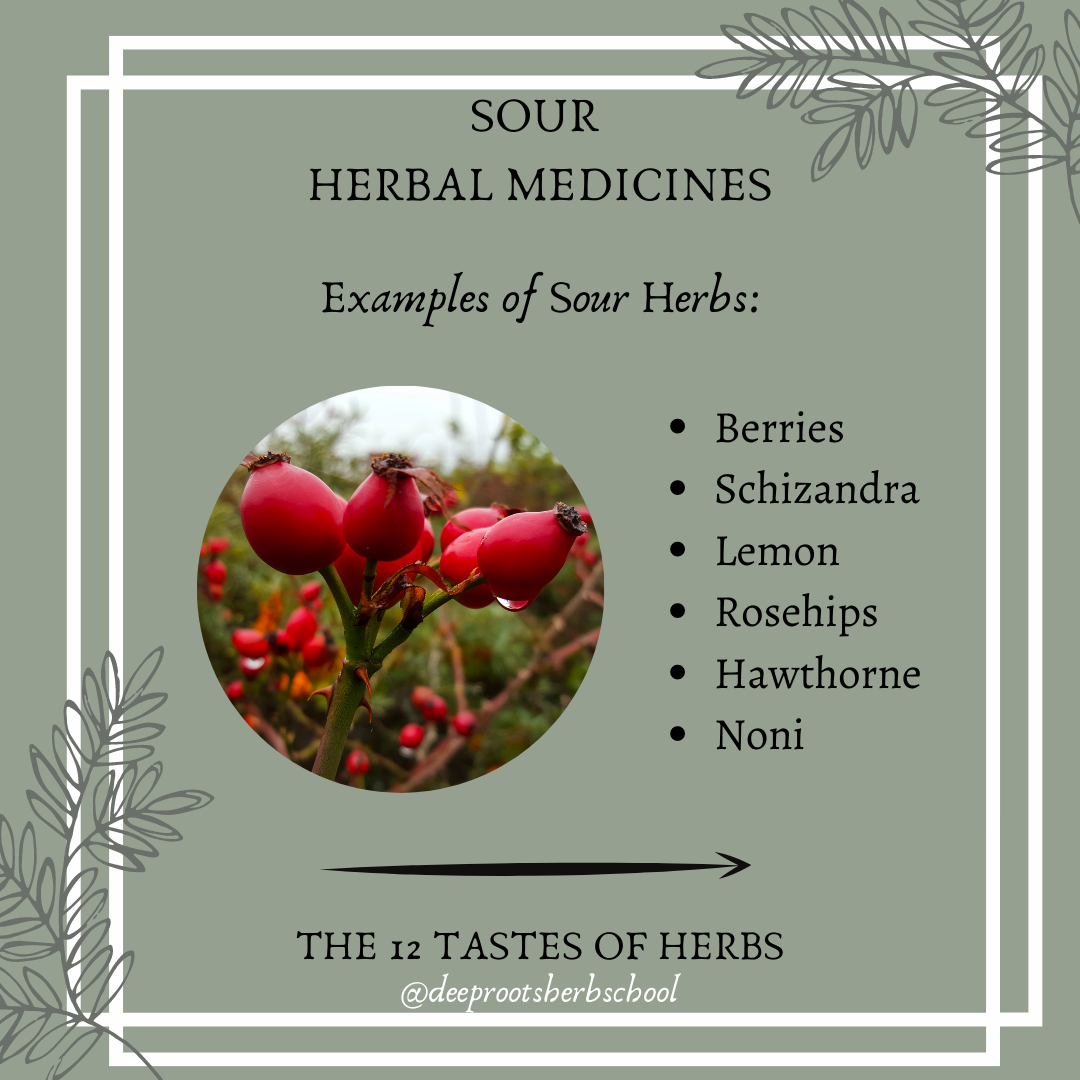
Some Examples of Sour Herbs:

- Berries

- Schizandra

- Lemon

- Rosehips

- Hawthorne

- Noni

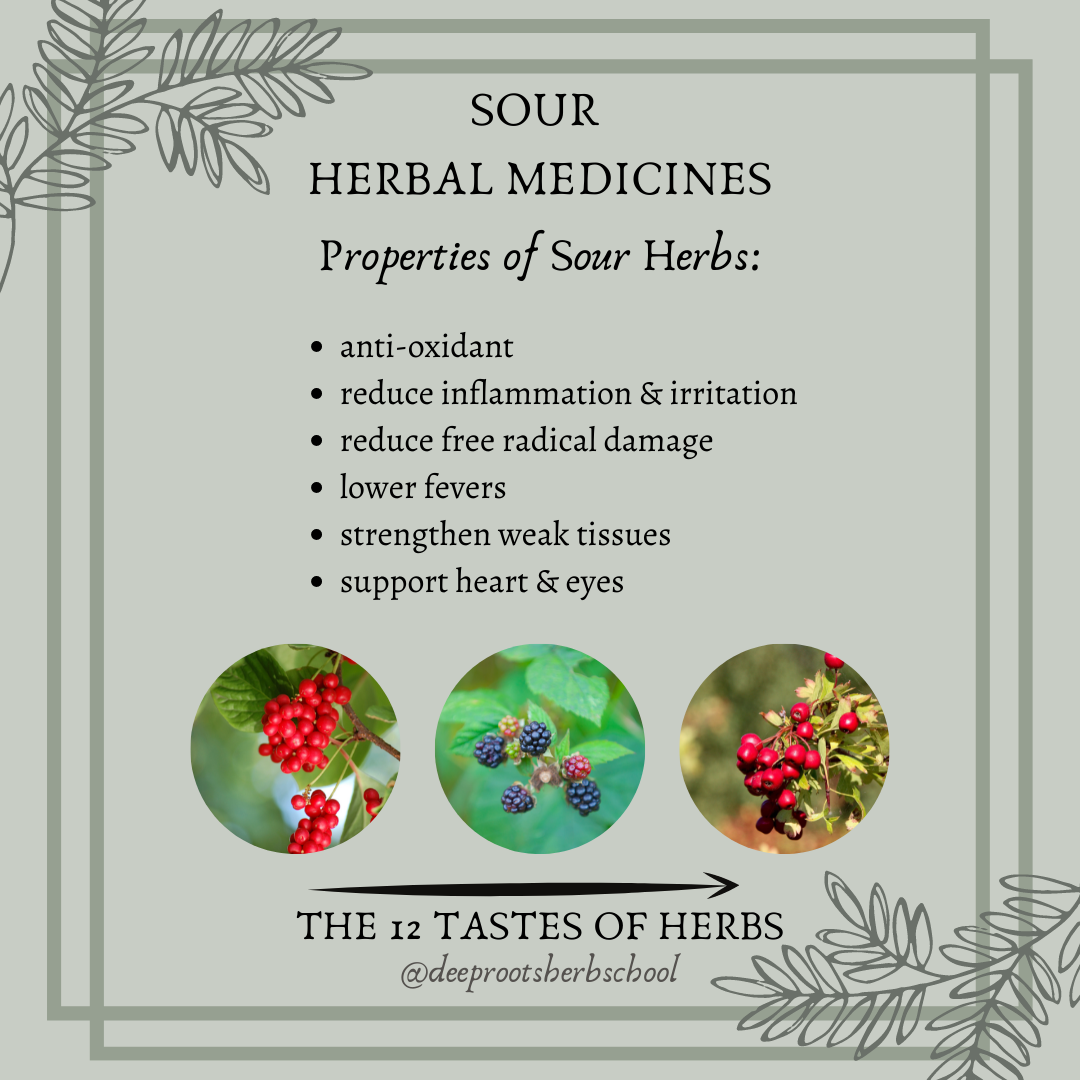
Common Properties of Sour Herbs:

- anti-oxidant

- reduce inflammation, irritation, & free radical damage

- reduce fever

- strengthen weak tissues support heart and eyes

What is your favorite sour herbal medicine? Tell me about it in the comments.

If you are wanting to take a deeper dive into herbalism be sure to check out my Herbal Medicine Monthly Subscription Program where I teach you in depth about one plant per month.

Link for more info on the program is in my bio.

#deeprootsherbschool #herbalmedicine

Never have I ever...

Never, have I ever, made acorn flour.

I was just too busy in my old life.

But now, I'm here, next to the fire pit where I have a fire 4 times a week and I have the time and the acorns.

So, these year-old dried acorns and I will be getting to know one another.

I cracked about 50 and took a break, and in came the girls, Wren and Arora. They see everything laid out, a flat rock and a smashing rock (the original hammer) and they both want to try their hand.

I make two stations for them and they start "hulk smashing" the acorns. Learning how hard is too hard and that if they smash too hard the shell and the meat are disintegrated.

I was impressed, no one smashed their fingers and they cracked acorns for about 30 minutes; which for 5, is remarkable. I think it was the promise of acorn cookies that kept them going.

I return, the girls are gone, and Orion has dumped the whole bowl of acorn meat into the fire ash. All good. They will be leached and rinsed many times anyway.

I will soon teach the Food as Medicine and Sweet Medicines portion of the Foraging and Medicine Making Intensive.

Because of that, I have native and medicinal foods on the brain.

Yellow Dock Seed Crackers, Acorn Flour Pancakes, Mineral Rich Vinegars, and Medicinal Honey.

It's all here for us we just have to slow down, drop into openness and deep observation, tap into our creativity and connect with those that can teach that remembering.

In case you missed it, the ADVANCED MEDICINE MAKING COURSE REGISTRATION is LIVE!

So, if you have been sitting on your hands, get off them and make acorn flour with me.

I will not falter because I am well rooted...

I have had a mantra for years: "I stand like a tree, I blow in the breeze, and I will not falter because I am well rooted,” and from that was born Deep Roots.

I still have written on my white board in my tiny house office corner “Be like a Tree." It's never been bad advice...

It is root season not just in 2022 but in my own life.

Wouldn’t you say the 30’s are about rooting down deep into your knowing?

Being more and more able with the passing days to recognize the breeze and the rain as temporary perturbation, something that causes you to grow deeper and become even more solid in yourself. You are able to bear fruit not despite but because of the wind.

Such is root medicine - robust, and nourishing, stoking the fires of our solid selves not the showy bits we flash about, but the rough and rugged, the scarred and patched with resin bits that make our experiences our own and so unique.

So today, I gift you with a rooty tea recipe that feels right on this rainy fall day.

30’s Roots
3 parts Sarsaparilla Root
1 part Sassafras Root
1 part Licorice/or Marshmallow Root
1 part Burdock Root
2 parts Roasted Dandelion Root
2 parts Roasted Chicory Root

P.S. Early Bird Registration is open for the Advanced Medicine Making Intensive and spots are starting to fill! If you have been waiting on registering you might want to hup-to I only have 25 spots.

Here is the link in case you want all the details.

energetics in formulation

When talking about energetics in the formulation of herbal medicines we have to consider whether we are working with an acute issue, say a cough, cold, ulcer, etc. or something more long term.

When working with acute issues we want to formulate so that they move the body's energies in a unified direction i.e. cool/heat,  dry/moisten, tighten/relax.

Herbal formulas for acute issues are going to be will be more therapeutic in their effects when herbs are combined according to common energetics or properties but if the same formulation is used long tern it can cause issues. Like dry the tissues out, or deplete the body through increasing metabolic rate passed a sustainable capacity.

That is why we choose to use more nourishing herbal formulas for long tern issues. We think about combining herbs in ways that cancel out/balance their energetic effects, so they don't move the body's energies too strongly in either direction. For example, adding a moistening herb to a drying herb to leave the formulation energetically neutral.

Have you ever thought about this in your formulations?  Now that I have told you about this idea do you see this concept being played out in your favorite tea blend or tincture.
If you are wanting to take a deeper dive into herbalism and foraging make sure to check out my monthly plant walks, the Herbal Medicine Monthly Subscription Program and my next session of the Advanced Medicine Making Intensive.

smartweed - the southern black pepper


I think sometimes we get stuck in a place where we think that certain flavors or foods can only come from the grocery store…

Black pepper is what I am thinking about today, and the lovely smartweed family, or the Persicaria family.

Most of the members of the Persicaria family have seeds that contain varying amounts of the essential oil piperidine which is the volatile oil that gives black pepper its kick.

There are 15 varieties of Persicaria in Alabama and many (9 or so) of them can be found broadly throughout the state.

The most researched of these varieties of Smartweed is Persicaria hydropiper with its list of uses quite varied and long.

Like many warming spices, smartweed is a circulatory stimulant, and useful for rheumatism, pain, and issues with sluggish digestion and infectious gut “stuff” like parasites and bacterial infections.

I think one of the coolest things about Smartweed is its uses and history in Traditional Folk Medicine.

I was taught that the southern folk named Persicaria “Smartweed” because when you add it to a formula it “makes everything work better.”

In herbalism this concept and category of herbs go by many names; driver, catalyst, potentiator, etc.

There are many substances that work in this way from niacin to DMSO, castor oil topically, rosemary, black pepper, and cayenne.

Basically, these substances, with varying efficacy and different phytopharmacology/pharmacology all increase the bioavailability of paired constituents.

In a well-known concrete example, black pepper when paired with turmeric increased the serum (blood) concentration of curcumin by 154% for a period of 1-2 hours.

Sooooooo, before we knew that black pepper (piperidine) worked in the above way our southern herbal ancestors were using the Persicaria family in the way research backs up now.

I love it when that happens.

So, go snag you some Persicaria seeds, dry them and grind them and use them as your black pepper for this winter.

P.S. If you want to learn interesting factoids like this from me in excess think about joining in on the upcoming Advanced Medicine Making Intensive!

It is an amazing course.

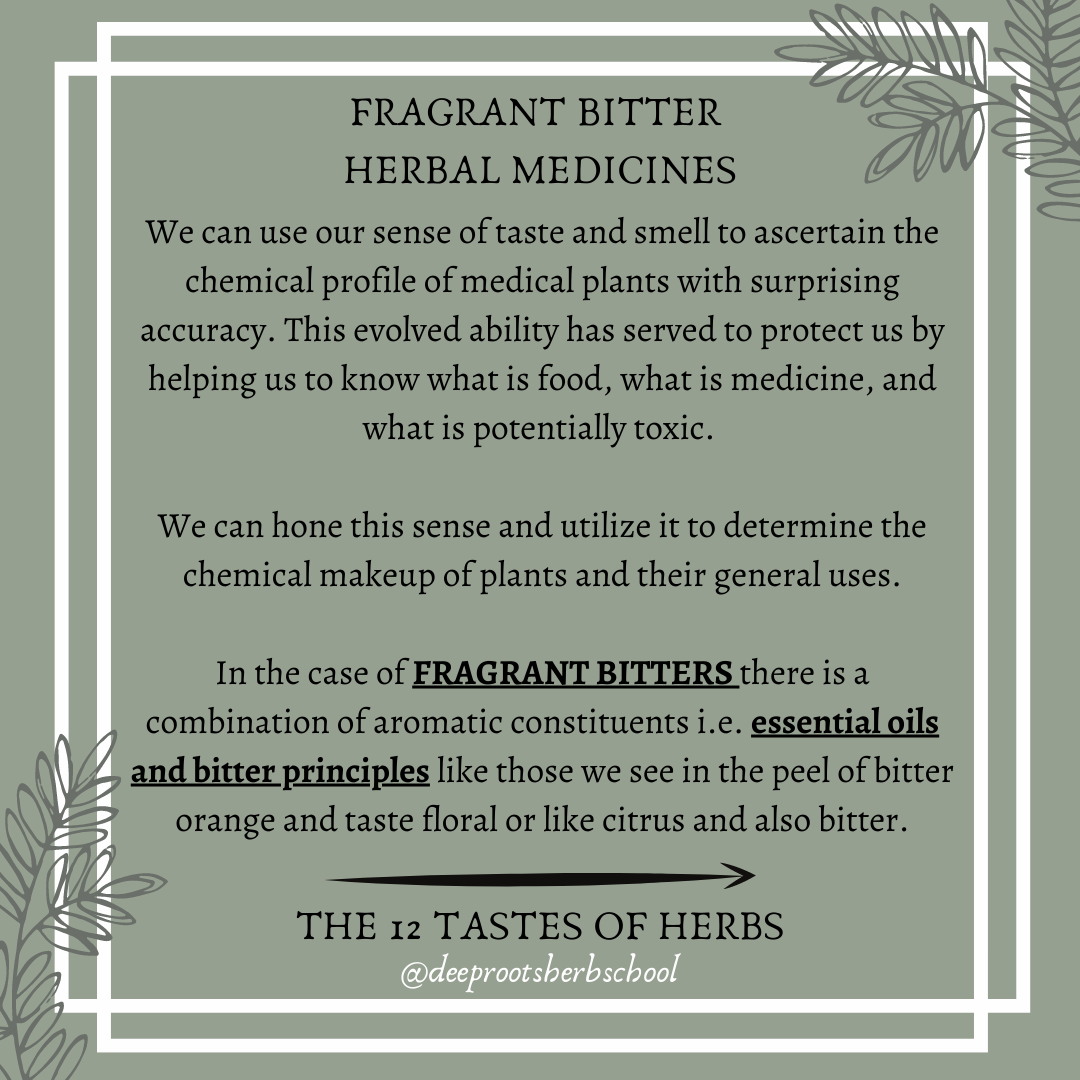
Fragrant Bitters

We can use our sense of taste and smell to ascertain the chemical profile of medical plants with surprising accuracy. This evolved ability has served to protect us by helping us to know what is food, what is medicine, and what is potentially toxic.

We can hone this sense and utilize it to determine the chemical makeup of plants and their general uses.

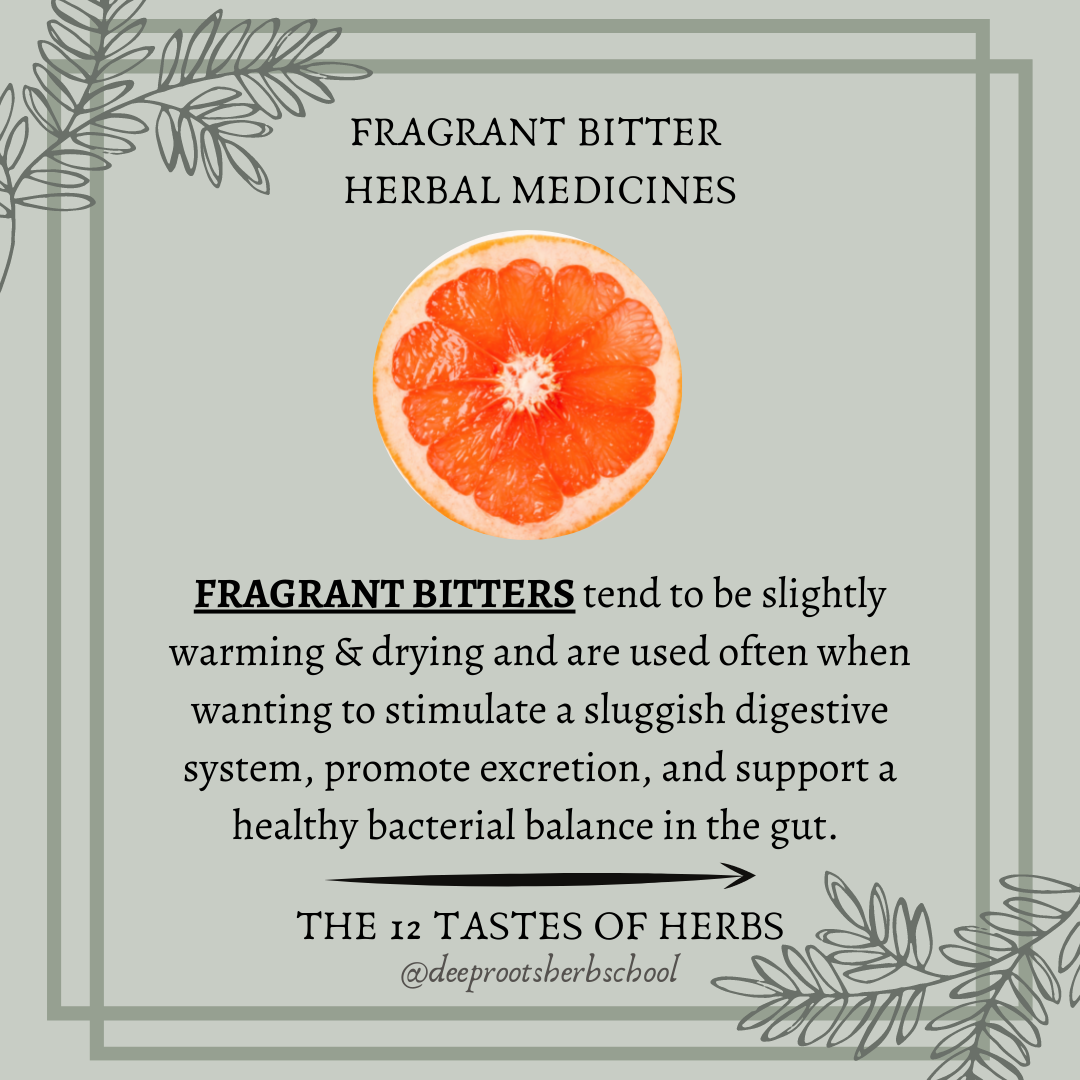
In the case of Fragrant Bitters there is a combination of aromatic constituents i.e. essential oils and bitter principles like those we see in the peel of bitter orange.

Fragrant Bitters tend to be slightly warming & drying and are used often when wanting to stimulate a sluggish digestive system, promote excretion, and support a healthy bacterial balance in the gut.

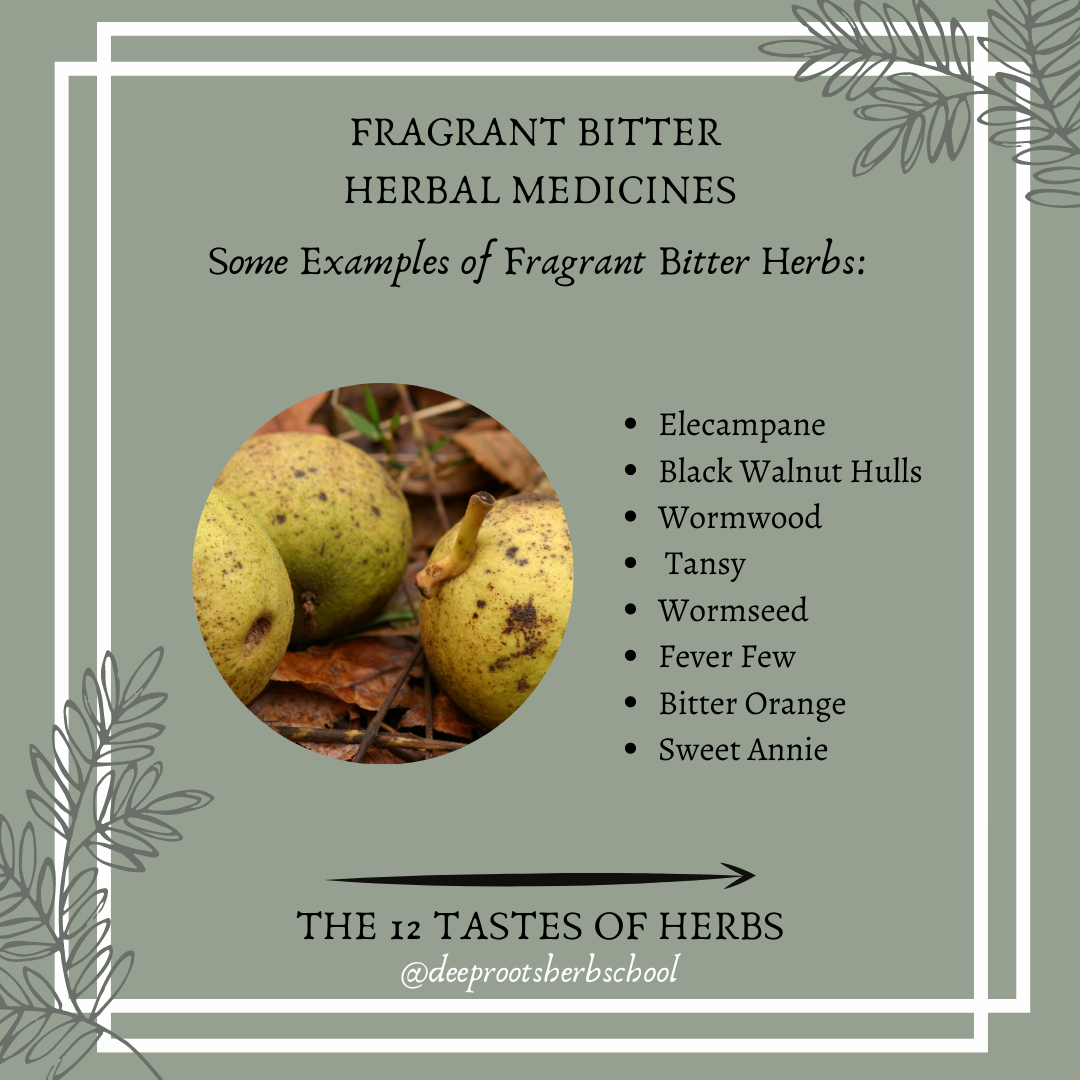
Some Examples of Fragrant Bitter Herbs:

  • Elecampane

  • Black Walnut Hulls

  • Wormwood

  • Tansy

  • Wormseed

  • Fever Few

  • Bitter Orange

  • Sweet Annie

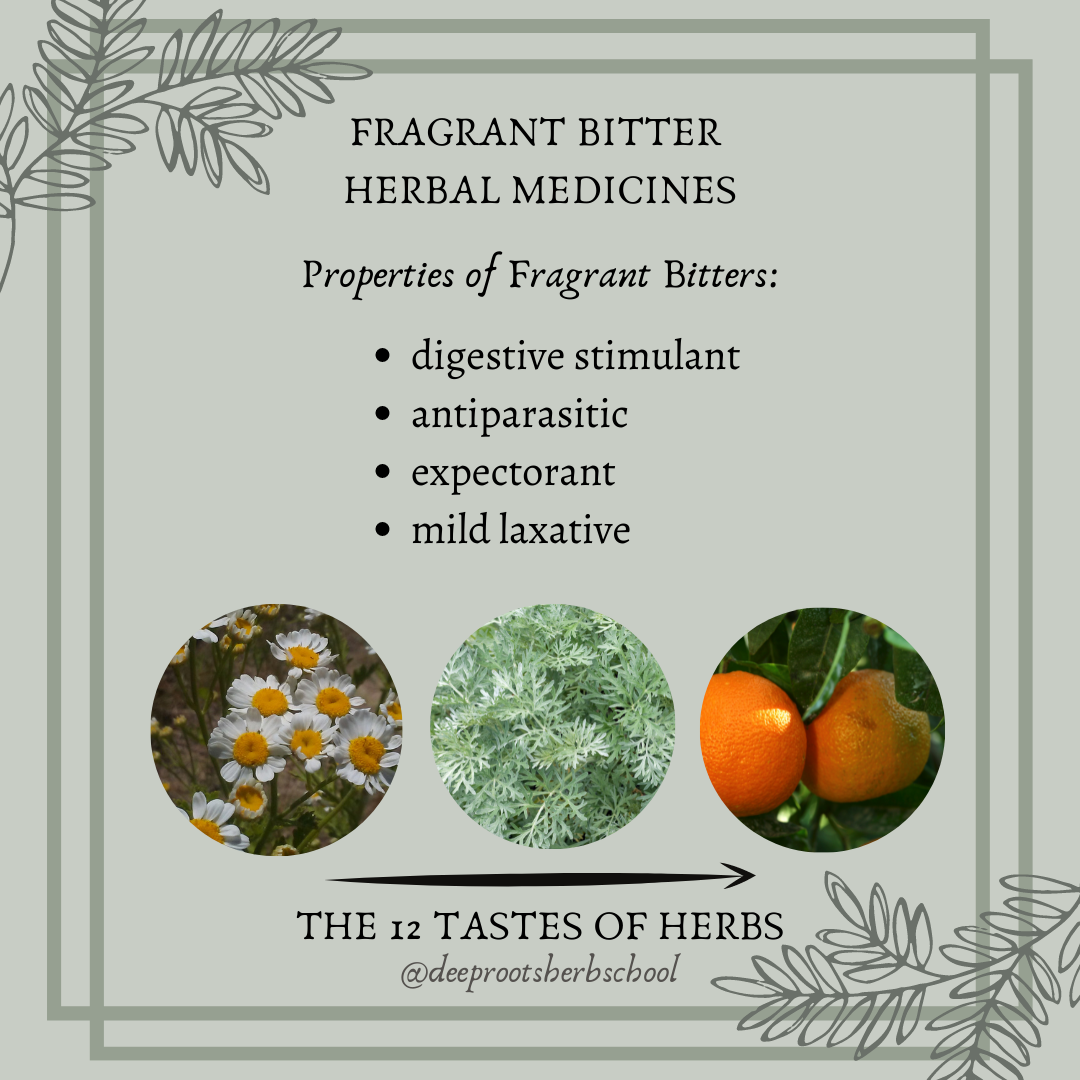
Common Properties of Fragrant Bitters:

  • digestive stimulant

  • antiparasitic

  • expectorant

  • mild laxative

What is your favorite FRAGRANT BITTER? Tell me about it in the comments!

If you want to go big in your study of herbal medicines check out the next round of the Advanced Medicine Making Intensive. Registration is open and live on my website and I only have room for 25 students so go ahead and snag your spot.

Tea Time

Tea is special.

I think of it as another window into a time where things were simpler much like I feel about garbeling herbs, or hand crafts at night while talking to friends around a fire.

I need SLOOOOOOW practices. My body and mind need time to expand - to absorb and assimilate the things in my life that I am growing from.

We need space to re-write our stories as we gain deeper understandings about ourselves and life and others.

This is why we call stories "yarns."

Tea is like a yarn.

I am weaving a story as I check in with my body to blend a tea for myself.

What do I need today? How do I feel? What would feel good?

The story of my week, my day, my sleep, my pain and my joy. It's all distilled into this little check-in ritual.

Things can feel overwhelming and so meta today- in this rapid-fire over connected world. Sometimes it is so massively impossible to process.

But when I just reduce it down to how do I feel in this moment; in this tiny little expression of care for myself, it helps slow the spinning and reminds me that I can work on and only be responsible for what I can touch and hold and be present for in my daily interactions.

So, have some tea with me? What does tea mean to you?

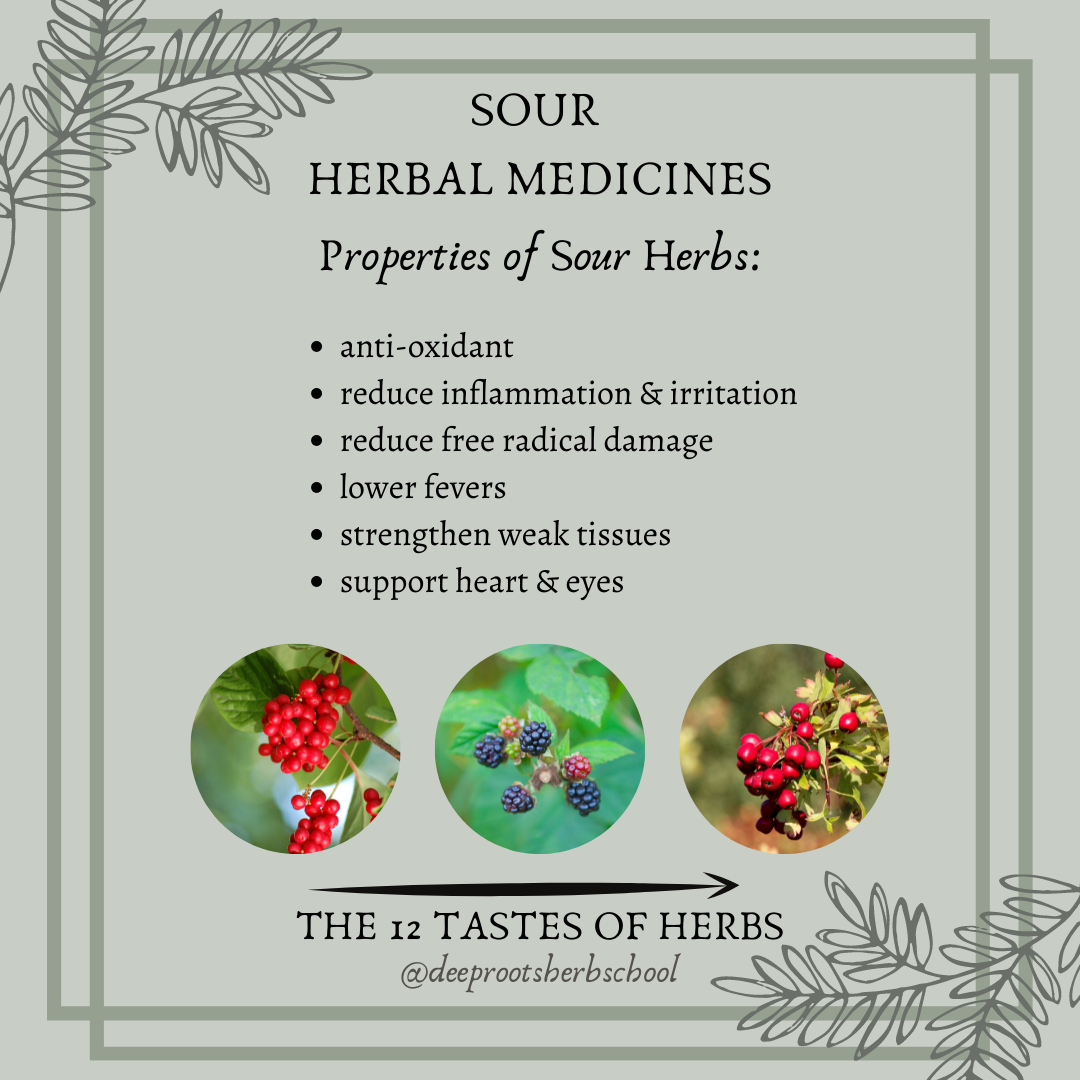
Sour Herbs

We are co-evolved with the foods and medicines we ingest and our sensory system has been honed for 100's of thousands of years beyond our homosapien ancestors. We can tap into this superpower and be able to recognize complex biochemistry with just our sense of taste and smell.

For example plants that taste sour contain citric acid, malic acid, ascorbic acid, and flavonoids.

These herbs, in general, are cooling and nourishing to our bodies and often provide anti-oxidants and strengthen oxidative damaged and weakened tissues.

Some Examples of Sour Herbs:

  • Berries

  • Schizandra

  • Lemon

  • Rosehips

  • Hawthorne

  • Noni

Common Properties of Sour Herbs:

  • anti-oxidant

  • reduce inflammation, irritation, & free radical damage

  • reduce fever

  • strengthen weak tissues support the heart and eyes

What is your favorite sour herbal medicine? Tell me about it in the comments.

If you are wanting to take a deeper dive into herbalism be sure to check out my Herbal Medicine Monthly Subscription Program where I teach you in-depth about one plant per month.

I don't feel confident taking anything that I learned today and really using it...

I kept getting feed back from my students as they left our  rapid-fire plant walks saying, "Cameron, I had so much fun annnnnddddd I don't feel confidant taking anything that I learned today and really using it."

That is when I realized that there is a massive gap from learning about a food or medicine on a plant walk to being able to tap into that knowledge as a resource when someone close to us is feeling under-the-weather.

That kind of confidence requires a deep dive, a real visceral knowledge of that plant.

And so, I decided that I wanted to become a a bridge for them by providing in-depth quality information that is grounded in my 14 years of experience learning from my teachers, working with clients, ingesting and making medicines, and doing extensive research in the phytopharmacology and pharmacokinetics of herbal medicines.

The world of herbalism is vast, and often filled with misinformation and vagaries that leave people scratching their heads or the more blustery type primed to at best be completely ineffective or at worst hurt someone or delay effective intervention and prolong suffering. 

I'm here to help you gain competency quickly by deepening your relationship with herbalism one plant at a time.

So, join me for the HERBAL MEDICINE MONTHLY SUBSCRIPTION PROGRAM!

Passionflower

Passiflora is one of the most recognizable medicinals. It has no look-alikes (I mean....one of a kind right?).

I most often choose to formulate with this plant when people are feeling like they're wired and tired, having circular thoughts that feel a bit "intense", having difficulty with ruminating, and are feeling keyed-up or wound-up and anxious.

I always enjoy when science substantiates what herbalist call specific indications. These are statements like the ones I made above that seem to typify the experience of the person we think would benefit most from a plant.

Passion Flower has been found in multiple studies to provide GABA‐ergic modulation.

This is where it gets real science-y. You can skip this part if you want....

_______________________________________________

Gamma‐aminobutyric acid (GABA) acts as the primary inhibitory neurotransmitter in central nervous system function. GABA receptors are found in every region of the human brain and up to 40% of all synapses in the CNS have receptor sites for GABA.

Because of this the GABA-nergic systems  are implicit in a many neurological functions such as motor function, sleep, pain, anxiety, sleep, and brain development.

Issues with the GABA system and it's inhibitory role in neuro-excitation can contribute to schizophrenia, insomnia, movement disorders, seizures, and anxiety.

_______________________________________________

Needless to say herbalist have been using passion flower for anxiety, stress, insomnia, pain, and hormonal related neuro-excitation (think PMS, and the menopause) for a long time and it's action on the GABA-nergic system makes complete sense.

So, keep your eyes peeled for this beauty and make yourself some tea. Just chop some of the leaves, vines, or flowers into small pieces and place a small handful into your cup, pour boiling water over the herb and let it sit for 20 minutes. Drink and enjoy.

If you want to join me in a regular deep dive into medicinal plants and their uses check out the Herbal Medicine Monthly Program where I help you bridge the gap from curious to competent in your use of herbal medicines.

August Plants to Forage

I got so excited making this! Some of my most favorite plants are late summer dearies.

I mean, nothing works quite as well for musculoskeletal tension like Lobelia, I lean on it often for my own tension headaches.

And I just drool over the wintergreen bitter bite of Mountain Mint, the fatty and nutritive richness of Lamb's Quarters salad. I could go on...

This is by no means a comprehensive list of the forgeable plants of August but it is definitely a list of things I keep my eyes peeled for this month.

What plants are you going to drool over this coming month?

If you are wanting to take a deeper dive into herbalism and foraging make sure to check out my monthly plant walks, the Herbal Medicine Monthly Subscription Program, and my next session of the Foraging & Medicine Making Intensive.

Kudzu Blossom Jam

Kudzu blossoms make my favorite jam.

They taste like jasmine.

Here is how to do it...

  • Collect 4 cups of kudzu blossoms- wash and watch out for bugs.

  • Place flowers in a ball jar and cover in 4 cups of boiling water.

  • Refrigerate for 8 hours/overnight.

  • Strain, and press water from the blooms, and then toss them.

  • Add 1 tablespoon lemon juice (makes the color purple/pink instead of grey) and 1 3/4 ounce package of powdered fruit pectin; bring to a full rolling boil over high heat, stirring constantly.

  • Stir in 5 cups of sugar

  • Return to a full boil, and boil for 1 minute, stirring constantly.

  • Remove from the heat and then skim off the layer of foam with a spoon.

  • Pour your jelly into sterilized jars; filling to 1/4 inch from the top.

  • Wipe the rims of the jars and put the lids on.

  • Boil in a water bath for 5 minutes.

If you want to join me in a consistent pursuit to become a more effective herbalist check out the Herbal Medicine Monthly Program where I help you bridge the gap from cautious to competent.

'I will only use plants that are backed by scientific research'

When we put on our blinders such as saying  'I will only use plants that are backed by scientific research' we severely limit our ability to have a complex understanding of herbalism and discredit our own physiology and experience. We also truncate our learning potential if we ignore the experience of those who have gone before as well as the beauty that comes from a coevolved relationship of mutual survival.

Don't get me wrong. SCIENCE IS AMAZING. But I insert scientific understandings, leaps, and clarifications into the rich tapestry of my understanding of herbal medicine that includes traditional use, instinct & intuition, clinical experience, AND medical science/research studies .

I think about plants like mimosa that are INCREDIBLY important to my pharmacopea that have virtually no scientific research to back up its properties. Also, I have never had a person take mimosa and say..."Yeah, I felt nothing, this doesn't work."

I know what it feels like to take an herb.

  • How does it shift my mindset?

  • Does it give me another perspective?

  • How has it helped my clients?

  • How does it feel when it is combined with other plants?

  • What have my teachers seen personally and in their clients?

  • How do my students internalize a plant?

  • What happens to a rat's anxiety response when this plant is administered?

  • What happens to blood markers, or membrane potentials, or cortisol levels, or blood glucose when a plant is administered?

  • How does that align with my visceral and working knowledge of my 14 years of experience?

What key data points help to inform your practice of herbalism?

How strange it would be to be a pharmacist or a physician...

I often think about how strange it would be to be a pharmacist or a physician.

I imagine how odd (and I would say, in this thought experiment, unnerving is the word that comes to mind) it would be to prescribe medications and interventions to people that you would, 90% of the time, never experience. 

(That isn't a criticism- I feel so much compassion for that...The severity and intensity of their tool kit and its inaccessibility is disorienting from where I'm sitting as a practitioner.)

I can only speak from what I know and I am consistently grateful that I have been able to ingest every single herbal medicine I have given to my clients.

I know my tool kit in and out and my understandings deepen and grow every day with continued personal experimentation.

I know how the formula will feel for my clients (hypothetically as all people have different metabolic rates and genetic processing capacity).

I can't tell you how empowering, important, and solidifying it can be to be able to share that experience with my people as I care for them.

That's all.

Astringent Herbs

Herbal medicines hit our taste receptors and begin acting on our physiology immediately. We are innately attuned to the constituents in our foods and medicines and can tap into this to know how to best use and apply herbal medicines in our daily lives.

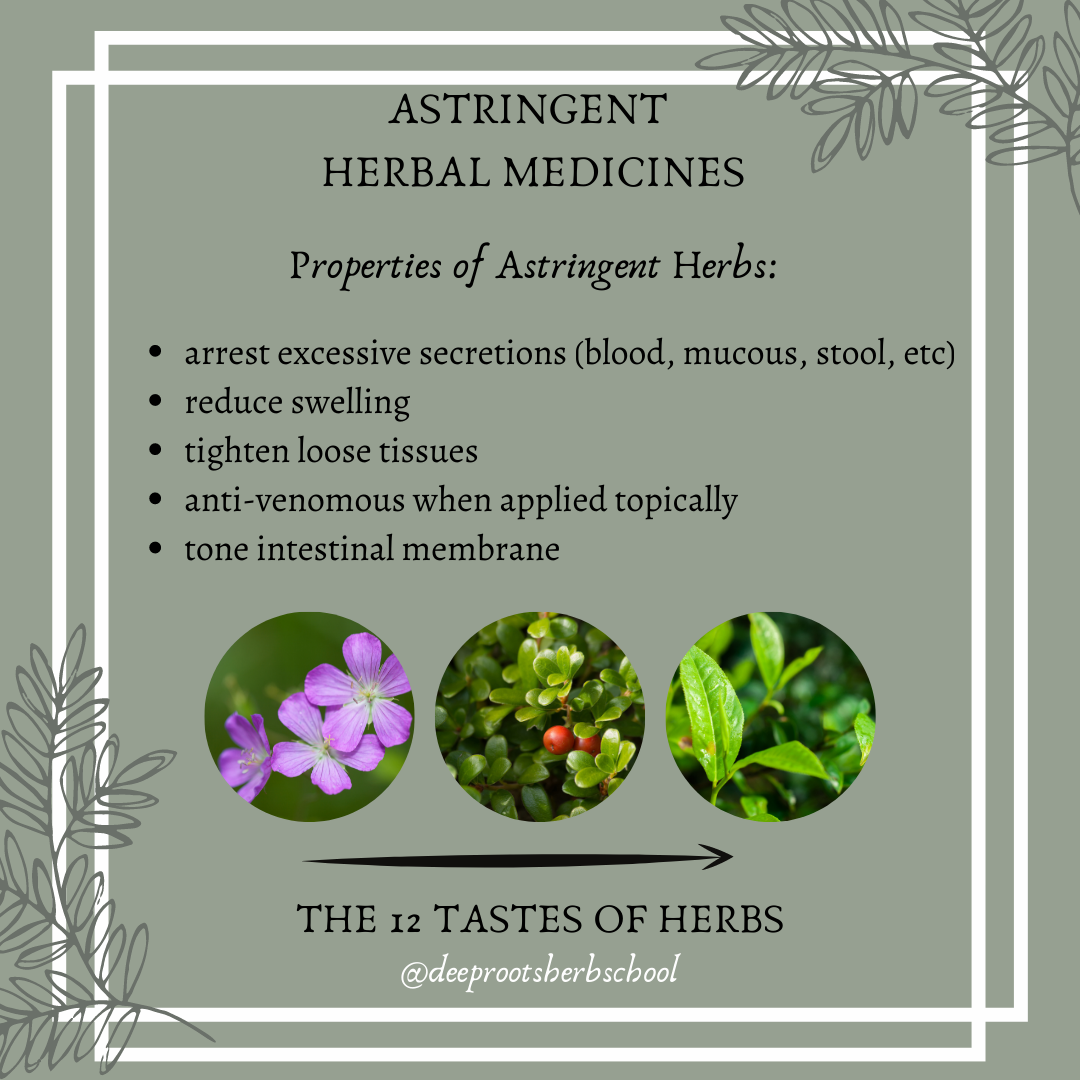
For example, plants that contain tannins are astringent in taste. This means that they taste bitter, and have a puckering and drying effect on the mouth.

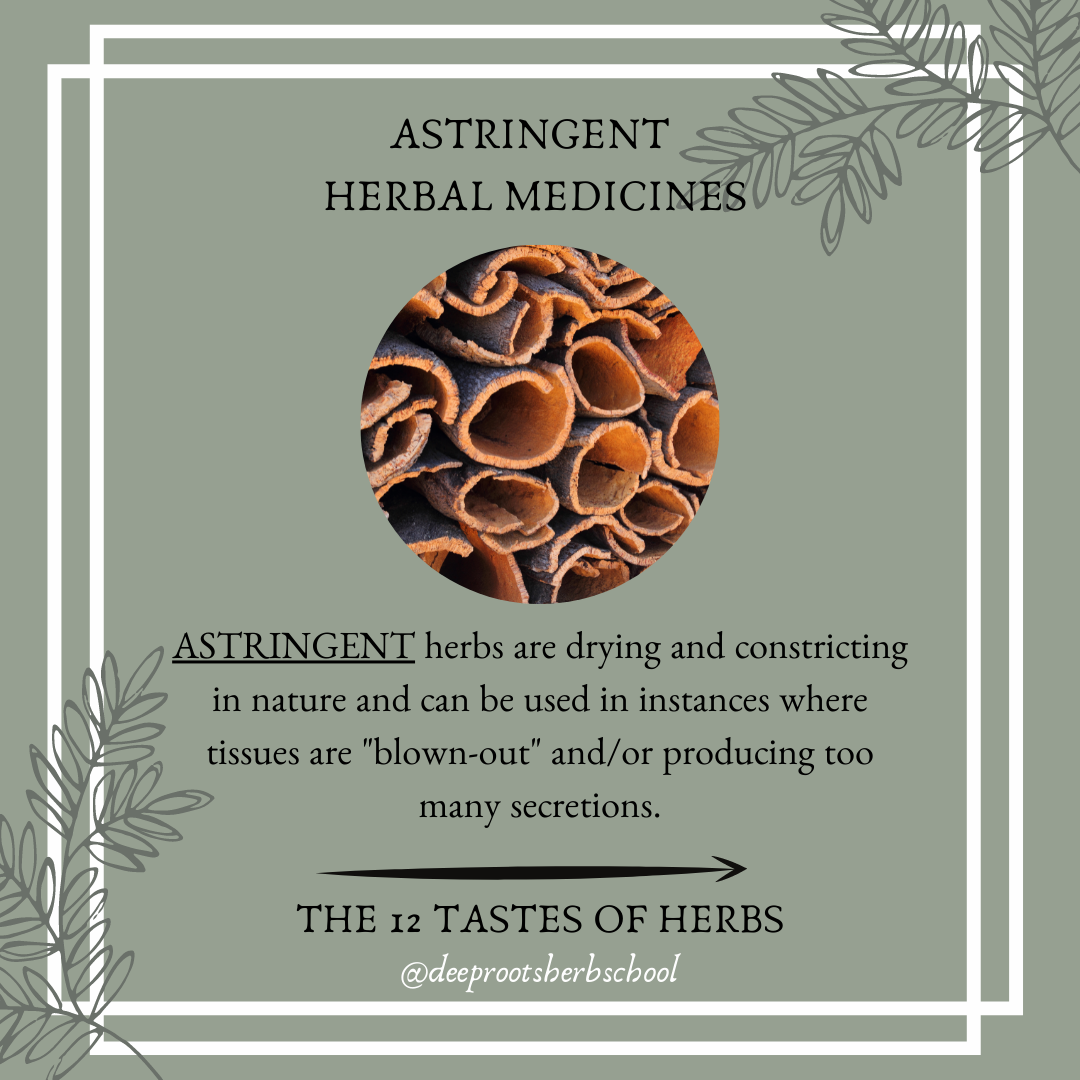
These herbs are drying and constricting in nature and can be used in instances where tissues are "blown-out" and/or producing too many secretions.

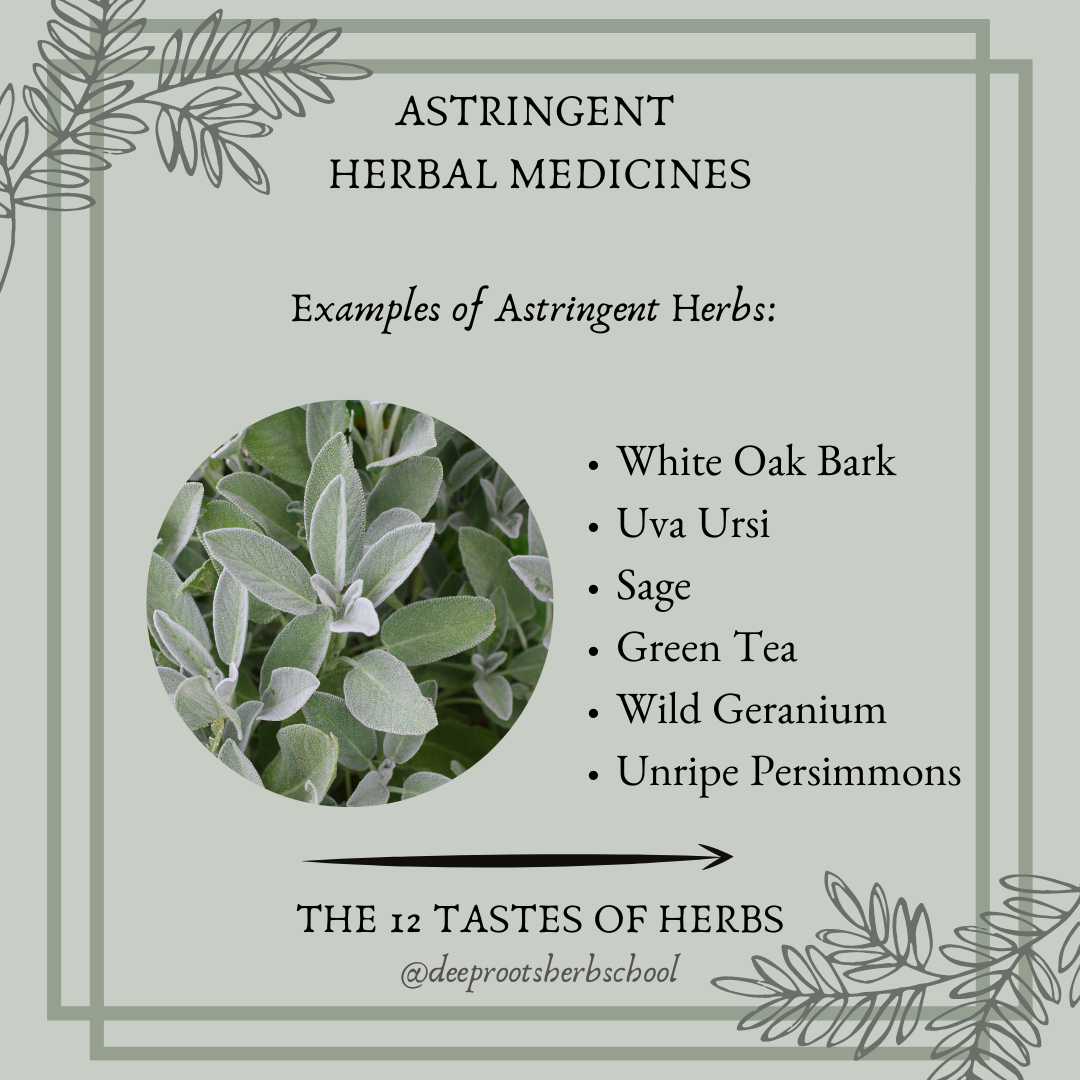
Some Examples of Astringent Herbs:

  • White Oak Bark

  • Uva Ursi

  • Sage

  • Green Tea

  • Wild Geranium

  • Unripe persimmons

Common Properties of Astringent Herbs:

  • arrest excessive secretions (blood, mucous, stool, etc)

  • reduce swelling,

  • tighten loose tissues

  • anti-venomous when applied topically

  • tone intestinal membrane 

What are some astringent herbs that have helped you?  Let me know your story in the comments!

If you are wanting to take a deeper dive into herbalism be sure to check out my Herbal Medicine Monthly Subscription Program where I teach you in depth about one plant per month.